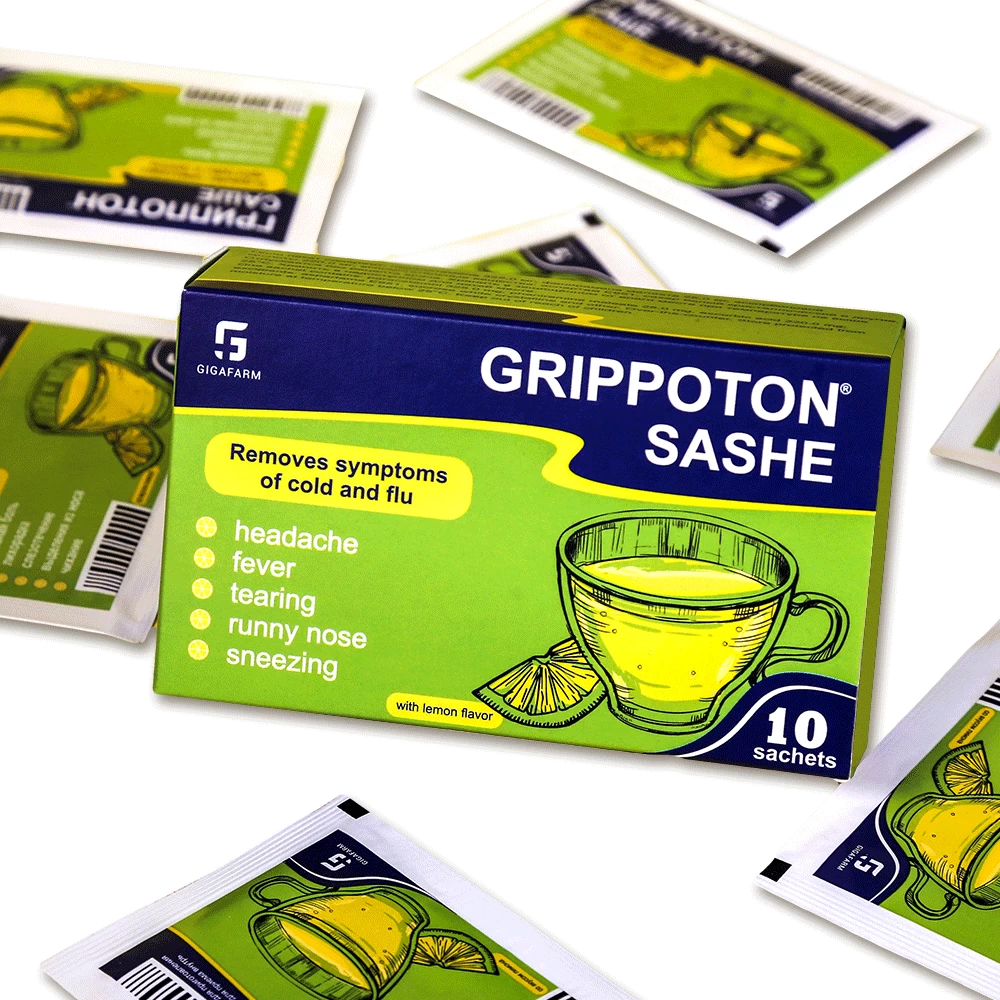
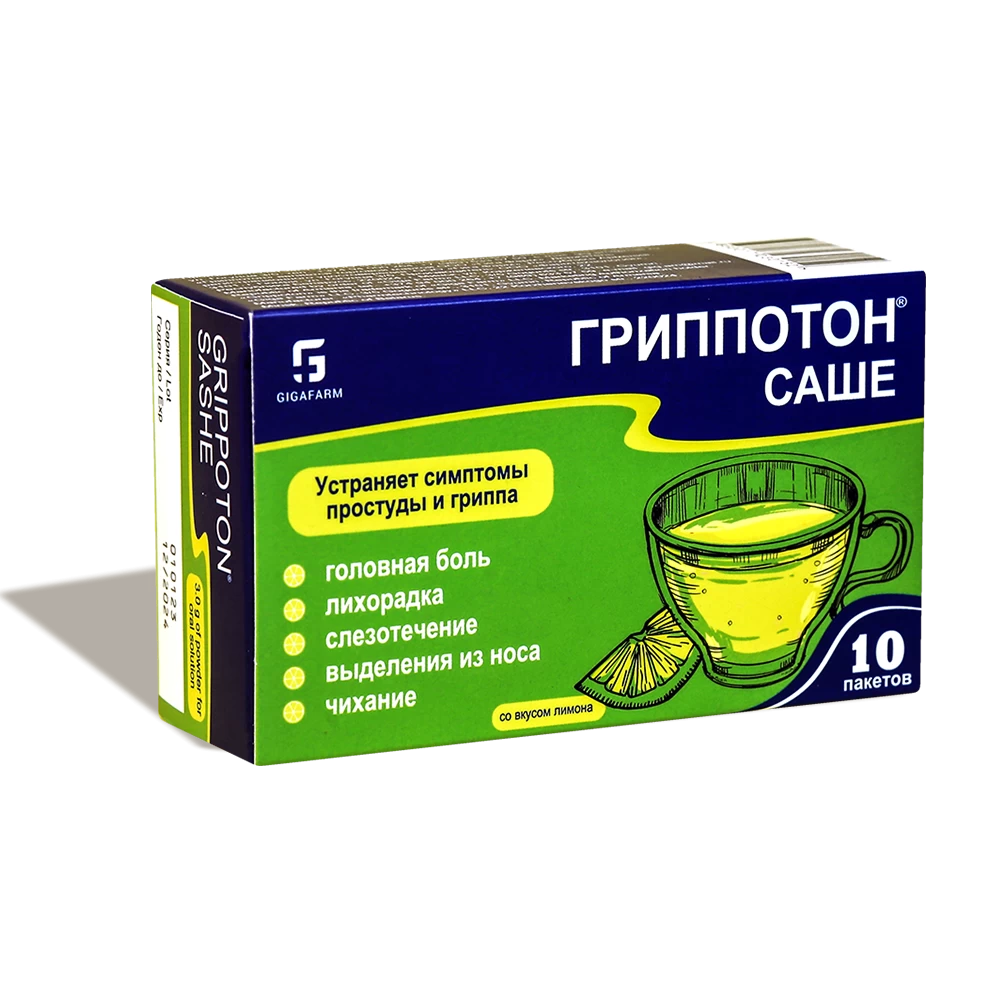
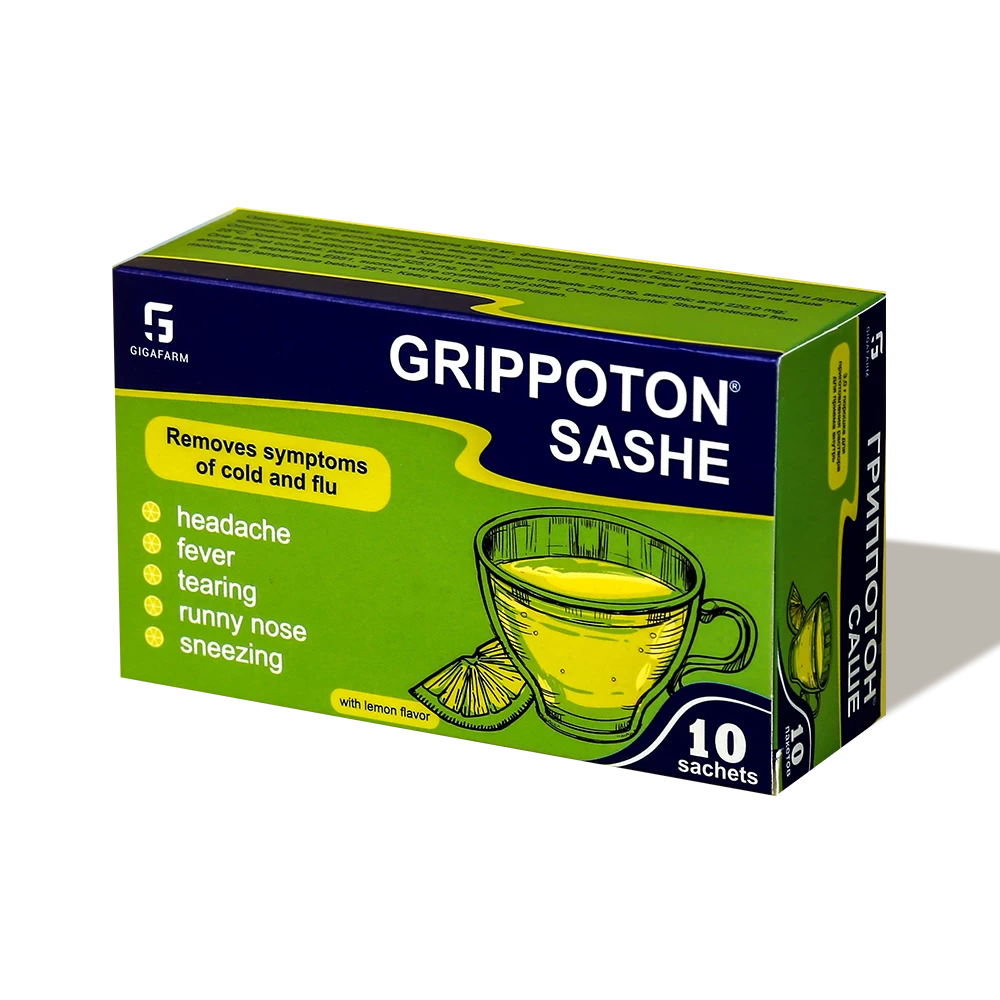
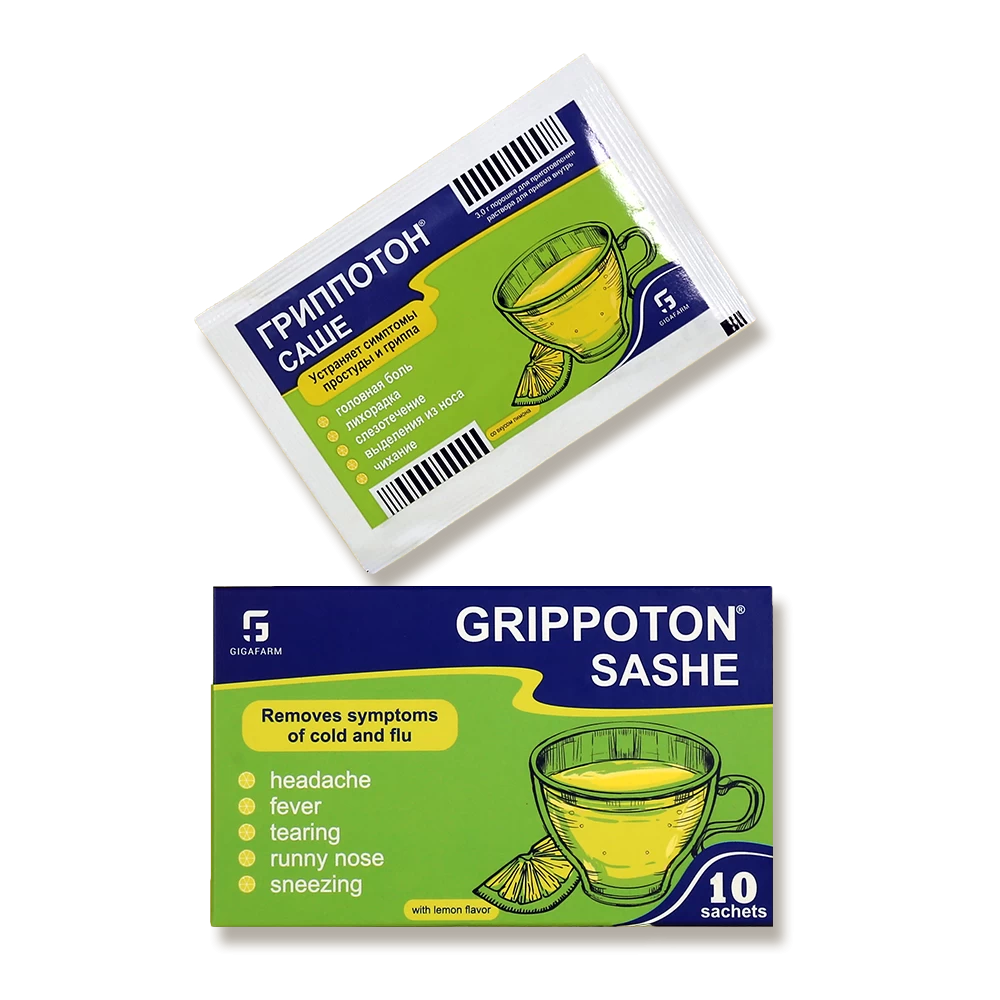
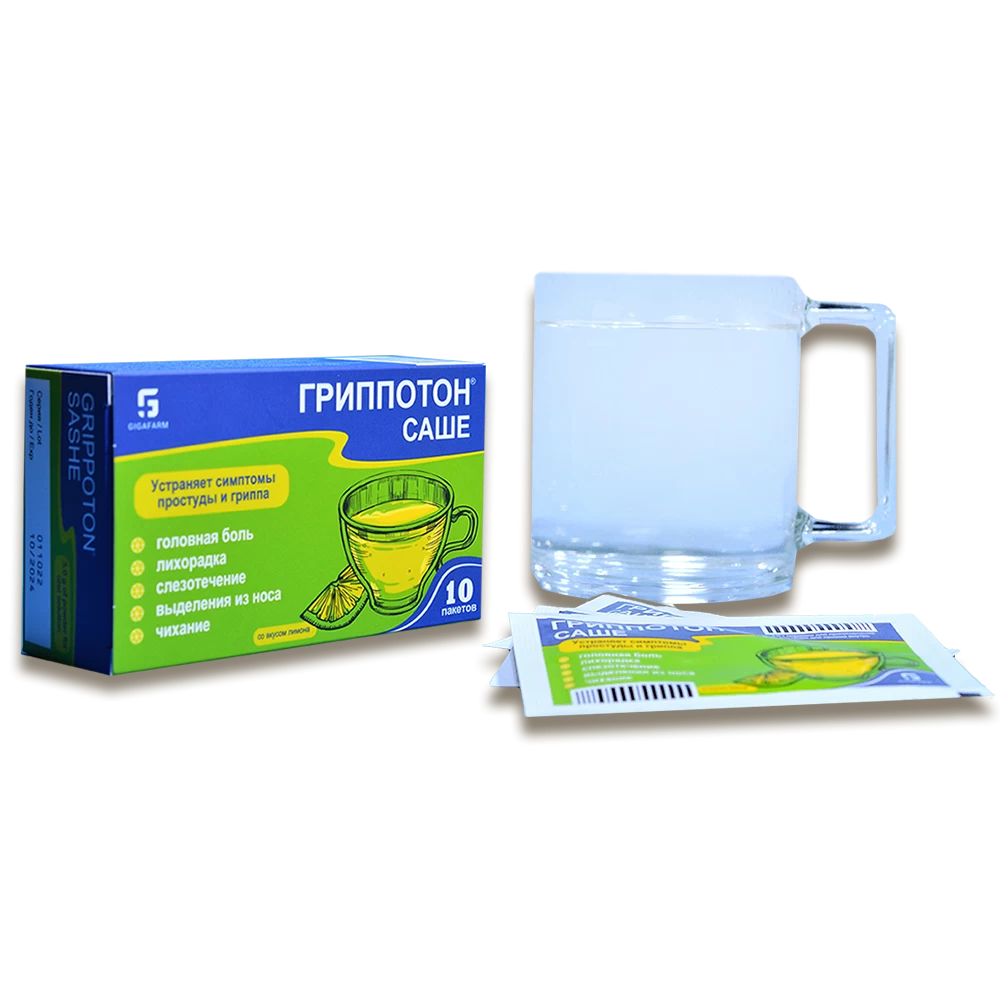
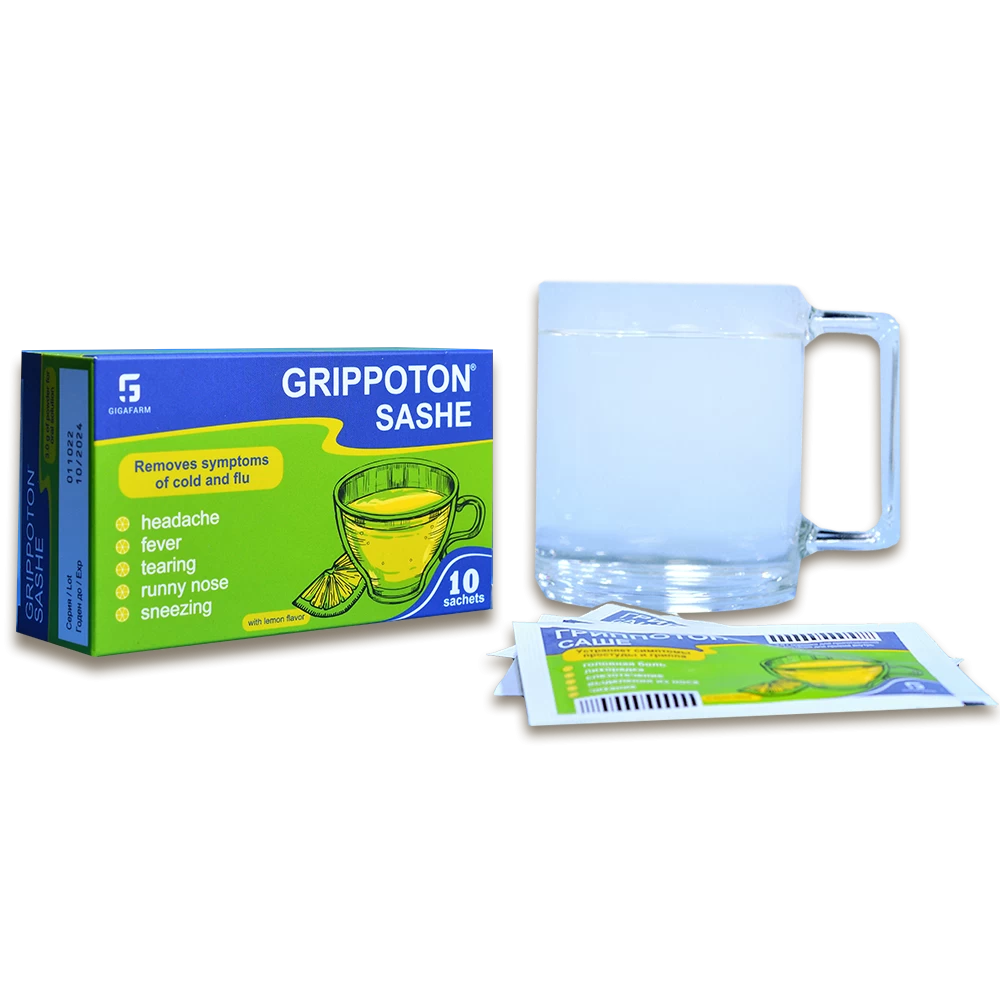
GRIPPOTON SACHET N10
SHort description
Composition: Paracetamol — 325 mg, Pheniramine Maleate — 25 mg, Ascorbic Acid — 220 mg. Grippoton Sachet is a combination medicinal product with antiallergic, bronchodilator, anti-inflammatory, antipyretic, analgesic, and antioxidant properties. Before use, dissolve the contents of one sachet in 100 ml of previously boiled and cooled drinking water. Drink the prepared solution immediately. Indicated for the treatment of colds and flu-like conditions accompanied by headache, fever, sneezing, runny nose, and watery eyes. Suitable for adults and children over 15 years of age. Store in a dry, cool place at a temperature not exceeding 25°C, out of reach of children. Shelf life: 2 years.
Share
-
Description products
Package leaflet:
Information for the patient
Grippoton® Sachet, powder for oral solution
paracetamol + pheniramine maleate + ascorbic acid
Read this leaflet carefully before you start using this medicine because it contains important information for you.
- Always use this medicine exactly as described in this leaflet or as advised by your doctor or pharmacist.
- Keep this leaflet. You may need to read it again.
- If you have any further questions, ask your doctor or pharmacist.
- If you experience any side effects, talk to your doctor. This includes any possible side effects not listed in section 4 of this leaflet.
- If you do not feel better or if you feel worse after 5 days, you should consult a doctor.
Contents of the leaflet
- What Grippoton® Sachet is and what it is used for
- What you need to know before you use Grippoton® Sachet
- How to use Grippoton® Sachet
- Possible side effects
- How to store Grippoton® Sachet
- Contents of the pack and other information
1. What Grippoton® Sachet is and what it is used for
Grippoton® Sachet is a combination medicine with antiallergic, bronchodilator, anti-inflammatory, antipyretic, analgesic and antioxidant effects. It reduces nasal discharge, lacrimation and sneezing and helps restore nasal breathing. At normal body temperature, the antipyretic effect is not apparent. The effects of the medicine are due to the properties of its active ingredients.
Grippoton® Sachet is used for the symptomatic treatment of colds and flu-like conditions in adults and children aged 15 years and older, accompanied by:
- headache and/or fever;
- sneezing;
- clear nasal discharge and lacrimation.
If you do not feel better or if you feel worse after 5 days, you should consult a doctor.
2. What you need to know before you use Grippoton® Sachet
Do not use Grippoton® Sachet:
- if you are allergic to the active substances or any of the other ingredients of this medicine;
- if you have severe liver and/or kidney impairment;
- if you have glaucoma;
- if you have urinary retention associated with impaired prostate function;
- if you have phenylketonuria;
- if you have a gastric or duodenal ulcer in the acute phase;
- if you have severe diabetes mellitus;
- if you have fructose intolerance, glucose-galactose malabsorption syndrome or sucrase-isomaltase deficiency;
- if you have alcoholism;
- in children under 15 years of age;
- if you are pregnant or breastfeeding.
Warnings and precautions
Talk to your doctor or pharmacist before using Grippoton® Sachet.
Do not exceed the recommended dose and do not use the medicine for more than 5 consecutive days.
Consult your doctor:
- if your symptoms do not improve within 5 days;
- if your symptoms are accompanied by fever lasting more than 3 days;
- if your symptoms include a sore throat lasting more than 3 days and accompanied by fever, headache, rash, nausea or vomiting;
- if you have kidney disease;
- if you have liver failure.
For adults weighing more than 50 kg, the total daily dose of paracetamol must not exceed 4 g.
Other medicines and Grippoton® Sachet
Tell your doctor or pharmacist if you are taking, have recently taken or might take any other medicines.
Combinations to be taken into consideration
Morphine derivatives (analgesics, antitussives and substitution therapy medicines), antipsychotics, barbiturates, benzodiazepines, anxiolytics other than benzodiazepines (e.g. meprobamate), hypnotics, sedatives, antidepressants (amitriptyline, doxepin, mianserin, mirtazapine, trimipramine), H1-receptor blockers with sedative properties, centrally acting antihypertensive medicines, baclofen and thalidomide have a depressant effect on the central nervous system.
Medicines with atropine-like effects (imipramine antidepressants, H1-receptor blockers with atropine-like effects, anticholinergic antiparkinsonian medicines, atropine-like antispasmodics, disopyramide, phenothiazine antipsychotics and clozapine) increase the risk of side effects such as urinary retention, constipation and dry mouth.
Grippoton® Sachet with food, drink and alcohol
Avoid alcoholic beverages and medicines containing alcohol during treatment with Grippoton® Sachet. Alcohol enhances the sedative effect of pheniramine contained in the medicine. Reduced alertness may be dangerous when driving or operating machinery.
Pregnancy and breastfeeding
If you are pregnant, think you may be pregnant, are planning to have a baby or are breastfeeding, consult your doctor before using this medicine.
If you become pregnant during treatment, consult your doctor about whether you should continue using this medicine.
The medicine is contraindicated during pregnancy and breastfeeding for self-medication; consultation with a doctor is required.
Driving and using machines
During treatment, it is not recommended to drive or operate complex machinery requiring increased concentration and rapid psychomotor reactions.
Due to its anticholinergic properties, pheniramine may cause drowsiness, dizziness, blurred vision and impaired psychomotor performance, which may significantly affect the ability to drive and operate machinery. Concomitant use of sedatives, tranquillisers or alcohol may increase drowsiness.
Grippoton® Sachet contains excipients
Each sachet of Grippoton® Sachet contains aspartame (E951), which is a source of phenylalanine and may be harmful to people with phenylketonuria.
Each sachet of Grippoton® Sachet contains tartrazine (E102), which may cause allergic reactions.
Each sachet of Grippoton® Sachet contains white crystalline sugar. If you have an intolerance to some sugars, consult your doctor before taking this medicine.
3. How to use Grippoton® Sachet
Always use this medicine exactly as described in this leaflet or as advised by your doctor or pharmacist. If you are not sure, ask your doctor or pharmacist.
Dose
Adults and children aged 15 years and older: 1 sachet 2–3 times a day.
An interval of at least 4 hours should be observed between doses.
If you have renal impairment, the interval between doses should be at least 8 hours.
The duration of treatment should not exceed 5 days.
Method of administration
Before use, dissolve the contents of one sachet in 100 ml of freshly boiled and cooled drinking water. The resulting solution should be taken orally.
If you forget to use Grippoton® Sachet
Do not take a double dose to make up for a forgotten dose.
If you use more Grippoton® Sachet than you should
If you have taken more Grippoton® Sachet than you should, or if you have accidentally swallowed the solution, stop using the medicine and contact your doctor or the nearest emergency department/hospital. If possible, take the package and/or this leaflet with you.
Paracetamol overdose
There is a risk of liver damage in adults following ingestion of 10 g or more of paracetamol. Ingestion of 5 g or more may lead to liver damage if the patient has any of the following risk factors:
- long-term treatment with carbamazepine, phenobarbital, phenytoin, primidone, rifampicin, St John's wort and other medicines that induce liver enzymes;
- regular consumption of ethanol in excess of the recommended amounts;
- malnutrition or wasting (e.g. HIV infection, cystic fibrosis, fasting).
Symptoms include nausea, vomiting, loss of appetite and abdominal pain, usually occurring during the first 24 hours. Liver damage may become apparent 12–48 hours after ingestion. In severe poisoning, liver failure may progress to encephalopathy, bleeding, hypoglycaemia, cerebral oedema and death.
Acute renal failure with acute tubular necrosis, lower back pain, haematuria and proteinuria may also occur even in the absence of severe liver damage.
Treatment: If symptoms of poisoning occur, seek medical attention immediately.
Pheniramine overdose
Overdose may cause convulsions, impaired consciousness, behavioural changes, involuntary muscle spasms, cardiovascular collapse, bradycardia (slow heart rate), drowsiness, visual disturbances, depression and anticholinergic psychosis (psychosis with impaired consciousness).
Ascorbic acid overdose
Overdose of ascorbic acid may lead to a significant increase in oxalate levels in the blood and urine and may promote calcium oxalate deposition in patients predisposed to nephrolithiasis (kidney stones), tubulointerstitial nephropathy and acute renal failure resulting from calcium oxalate crystallisation.
If you have any further questions about the use of this medicine, ask your doctor or pharmacist.
4. Possible side effects
Like all medicines, Grippoton® Sachet can cause side effects, although not everybody gets them.
Serious side effects
Some side effects that occur very rarely (less than 1 in 10,000 people) require immediate medical attention. If you experience any of the following symptoms, stop using the medicine and seek medical attention immediately:
- anaphylactic reactions. Possible symptoms include sudden appearance of itchy, raised skin rashes (urticaria); other types of rash; redness or paleness of the skin; bronchospasm causing difficulty breathing; a sudden drop in blood pressure; rapid, weak pulse; abdominal pain; nausea, vomiting or diarrhoea; dizziness, fainting or feeling faint;
- anaphylactic shock (a severe allergic reaction), which may manifest as a sudden drop in blood pressure and a rapid, weak pulse;
- hypersensitivity skin reactions, including skin rash, angioedema (swelling of the larynx, glottis, face, lips, pharynx and/or tongue, which may cause difficulty breathing due to airway obstruction, difficulty swallowing or difficulty speaking) and Stevens–Johnson syndrome (a widespread rash with red patches, blisters and painful ulcers accompanied by peeling and detachment of the skin and mucous membranes).
Other possible side effects
Related to paracetamol
The frequency of these reactions is not known, but they generally occur rarely:
- thrombocytopenia (a decrease in the number of blood cells that help stop bleeding, which may manifest as reddening or purplish discolouration of the skin);
- bronchospasm (difficulty breathing, which may be accompanied by shortness of breath and wheezing) in patients sensitive to aspirin and other NSAIDs;
- liver dysfunction.
Related to pheniramine
Neurovegetative effects:
- sedative effects or drowsiness, especially at the beginning of treatment;
- dry mucous membranes, constipation, accommodation disorders, mydriasis, palpitations and risk of urinary retention;
- orthostatic hypotension (a sudden drop in blood pressure);
- impaired balance, vertigo, impaired memory or concentration, which is more common in elderly people;
- impaired coordination of movements and tremor;
- confusion and hallucinations;
- more rarely, excitatory effects such as agitation (motor restlessness, often accompanied by marked emotional arousal and feelings of anxiety and fear), nervousness and insomnia.
Hypersensitivity reactions (rare):
- erythema (skin redness), itching, eczema (skin lesions in the form of rashes or vesicles accompanied by itching and scaling), urticaria (sudden appearance of itchy, raised skin rashes);
- oedema.
Haematological effects:
- leukopenia and neutropenia (in some cases, a critical decrease in the number of blood cells that help protect the body against infections);
- haemolytic anaemia (a decrease in the number of red blood cells due to their destruction).
Reporting of side effects
It is important to report suspected side effects after the medicine has been authorised in order to ensure continuous monitoring of the benefit-risk balance of the medicine.
If you experience any side effects, including those listed in this leaflet or any not mentioned in this leaflet, or if the medicine is ineffective, you should first of all inform your doctor immediately.
5. How to store Grippoton® Sachet
Shelf life: 2 years.
The expiry date is stated on the packaging.
Do not use this medicine after the expiry date stated on the packaging.
Store protected from moisture at a temperature not exceeding 25°C.
Keep out of the reach and sight of children.
6. Contents of the pack and other information
What Grippoton® Sachet contains
Each sachet contains the following active substances:
- paracetamol — 325 mg;
- pheniramine maleate — 25 mg;
- ascorbic acid — 220 mg.
Other ingredients: anhydrous citric acid, aspartame (E951), lemon oil, tartrazine (E102), white crystalline sugar.
What Grippoton® Sachet looks like and contents of the pack
Powder for oral solution.
The powder is almost white in colour with a characteristic lemon odour. When the contents of one sachet are dissolved in 100 ml of freshly boiled and cooled water, a clear or slightly opalescent solution, light yellow to yellow in colour, with a characteristic lemon odour is obtained.
3.0 g of powder is filled into heat-sealed sachets made of laminated packaging foil (bouffel).
10 sachets, together with a package leaflet for the patient, are placed in a cardboard carton.
Marketing Authorisation Holder
Giga Farm LLC
Republic of Armenia, Gyumri, 3/5 Gogunts Street
Tel.: +374 94 000264, +7 989 633 5759
E-mail: gig.am@mail.ruGrippoton® Sachet is a trademark of Giga Farm LLC.
Manufacturer
Pharmtechnology LLC
Republic of Belarus
220024, Minsk, 22 Korzhenevskogo Street. -
Video
Package leaflet:
Information for the patient
Grippoton® Sachet, powder for oral solution
paracetamol + pheniramine maleate + ascorbic acid
Read this leaflet carefully before you start using this medicine because it contains important information for you.
- Always use this medicine exactly as described in this leaflet or as advised by your doctor or pharmacist.
- Keep this leaflet. You may need to read it again.
- If you have any further questions, ask your doctor or pharmacist.
- If you experience any side effects, talk to your doctor. This includes any possible side effects not listed in section 4 of this leaflet.
- If you do not feel better or if you feel worse after 5 days, you should consult a doctor.
Contents of the leaflet
- What Grippoton® Sachet is and what it is used for
- What you need to know before you use Grippoton® Sachet
- How to use Grippoton® Sachet
- Possible side effects
- How to store Grippoton® Sachet
- Contents of the pack and other information
1. What Grippoton® Sachet is and what it is used for
Grippoton® Sachet is a combination medicine with antiallergic, bronchodilator, anti-inflammatory, antipyretic, analgesic and antioxidant effects. It reduces nasal discharge, lacrimation and sneezing and helps restore nasal breathing. At normal body temperature, the antipyretic effect is not apparent. The effects of the medicine are due to the properties of its active ingredients.
Grippoton® Sachet is used for the symptomatic treatment of colds and flu-like conditions in adults and children aged 15 years and older, accompanied by:
- headache and/or fever;
- sneezing;
- clear nasal discharge and lacrimation.
If you do not feel better or if you feel worse after 5 days, you should consult a doctor.
2. What you need to know before you use Grippoton® Sachet
Do not use Grippoton® Sachet:
- if you are allergic to the active substances or any of the other ingredients of this medicine;
- if you have severe liver and/or kidney impairment;
- if you have glaucoma;
- if you have urinary retention associated with impaired prostate function;
- if you have phenylketonuria;
- if you have a gastric or duodenal ulcer in the acute phase;
- if you have severe diabetes mellitus;
- if you have fructose intolerance, glucose-galactose malabsorption syndrome or sucrase-isomaltase deficiency;
- if you have alcoholism;
- in children under 15 years of age;
- if you are pregnant or breastfeeding.
Warnings and precautions
Talk to your doctor or pharmacist before using Grippoton® Sachet.
Do not exceed the recommended dose and do not use the medicine for more than 5 consecutive days.
Consult your doctor:
- if your symptoms do not improve within 5 days;
- if your symptoms are accompanied by fever lasting more than 3 days;
- if your symptoms include a sore throat lasting more than 3 days and accompanied by fever, headache, rash, nausea or vomiting;
- if you have kidney disease;
- if you have liver failure.
For adults weighing more than 50 kg, the total daily dose of paracetamol must not exceed 4 g.
Other medicines and Grippoton® Sachet
Tell your doctor or pharmacist if you are taking, have recently taken or might take any other medicines.
Combinations to be taken into consideration
Morphine derivatives (analgesics, antitussives and substitution therapy medicines), antipsychotics, barbiturates, benzodiazepines, anxiolytics other than benzodiazepines (e.g. meprobamate), hypnotics, sedatives, antidepressants (amitriptyline, doxepin, mianserin, mirtazapine, trimipramine), H1-receptor blockers with sedative properties, centrally acting antihypertensive medicines, baclofen and thalidomide have a depressant effect on the central nervous system.
Medicines with atropine-like effects (imipramine antidepressants, H1-receptor blockers with atropine-like effects, anticholinergic antiparkinsonian medicines, atropine-like antispasmodics, disopyramide, phenothiazine antipsychotics and clozapine) increase the risk of side effects such as urinary retention, constipation and dry mouth.
Grippoton® Sachet with food, drink and alcohol
Avoid alcoholic beverages and medicines containing alcohol during treatment with Grippoton® Sachet. Alcohol enhances the sedative effect of pheniramine contained in the medicine. Reduced alertness may be dangerous when driving or operating machinery.
Pregnancy and breastfeeding
If you are pregnant, think you may be pregnant, are planning to have a baby or are breastfeeding, consult your doctor before using this medicine.
If you become pregnant during treatment, consult your doctor about whether you should continue using this medicine.
The medicine is contraindicated during pregnancy and breastfeeding for self-medication; consultation with a doctor is required.
Driving and using machines
During treatment, it is not recommended to drive or operate complex machinery requiring increased concentration and rapid psychomotor reactions.
Due to its anticholinergic properties, pheniramine may cause drowsiness, dizziness, blurred vision and impaired psychomotor performance, which may significantly affect the ability to drive and operate machinery. Concomitant use of sedatives, tranquillisers or alcohol may increase drowsiness.
Grippoton® Sachet contains excipients
Each sachet of Grippoton® Sachet contains aspartame (E951), which is a source of phenylalanine and may be harmful to people with phenylketonuria.
Each sachet of Grippoton® Sachet contains tartrazine (E102), which may cause allergic reactions.
Each sachet of Grippoton® Sachet contains white crystalline sugar. If you have an intolerance to some sugars, consult your doctor before taking this medicine.
3. How to use Grippoton® Sachet
Always use this medicine exactly as described in this leaflet or as advised by your doctor or pharmacist. If you are not sure, ask your doctor or pharmacist.
Dose
Adults and children aged 15 years and older: 1 sachet 2–3 times a day.
An interval of at least 4 hours should be observed between doses.
If you have renal impairment, the interval between doses should be at least 8 hours.
The duration of treatment should not exceed 5 days.
Method of administration
Before use, dissolve the contents of one sachet in 100 ml of freshly boiled and cooled drinking water. The resulting solution should be taken orally.
If you forget to use Grippoton® Sachet
Do not take a double dose to make up for a forgotten dose.
If you use more Grippoton® Sachet than you should
If you have taken more Grippoton® Sachet than you should, or if you have accidentally swallowed the solution, stop using the medicine and contact your doctor or the nearest emergency department/hospital. If possible, take the package and/or this leaflet with you.
Paracetamol overdose
There is a risk of liver damage in adults following ingestion of 10 g or more of paracetamol. Ingestion of 5 g or more may lead to liver damage if the patient has any of the following risk factors:
- long-term treatment with carbamazepine, phenobarbital, phenytoin, primidone, rifampicin, St John's wort and other medicines that induce liver enzymes;
- regular consumption of ethanol in excess of the recommended amounts;
- malnutrition or wasting (e.g. HIV infection, cystic fibrosis, fasting).
Symptoms include nausea, vomiting, loss of appetite and abdominal pain, usually occurring during the first 24 hours. Liver damage may become apparent 12–48 hours after ingestion. In severe poisoning, liver failure may progress to encephalopathy, bleeding, hypoglycaemia, cerebral oedema and death.
Acute renal failure with acute tubular necrosis, lower back pain, haematuria and proteinuria may also occur even in the absence of severe liver damage.
Treatment: If symptoms of poisoning occur, seek medical attention immediately.
Pheniramine overdose
Overdose may cause convulsions, impaired consciousness, behavioural changes, involuntary muscle spasms, cardiovascular collapse, bradycardia (slow heart rate), drowsiness, visual disturbances, depression and anticholinergic psychosis (psychosis with impaired consciousness).
Ascorbic acid overdose
Overdose of ascorbic acid may lead to a significant increase in oxalate levels in the blood and urine and may promote calcium oxalate deposition in patients predisposed to nephrolithiasis (kidney stones), tubulointerstitial nephropathy and acute renal failure resulting from calcium oxalate crystallisation.
If you have any further questions about the use of this medicine, ask your doctor or pharmacist.
4. Possible side effects
Like all medicines, Grippoton® Sachet can cause side effects, although not everybody gets them.
Serious side effects
Some side effects that occur very rarely (less than 1 in 10,000 people) require immediate medical attention. If you experience any of the following symptoms, stop using the medicine and seek medical attention immediately:
- anaphylactic reactions. Possible symptoms include sudden appearance of itchy, raised skin rashes (urticaria); other types of rash; redness or paleness of the skin; bronchospasm causing difficulty breathing; a sudden drop in blood pressure; rapid, weak pulse; abdominal pain; nausea, vomiting or diarrhoea; dizziness, fainting or feeling faint;
- anaphylactic shock (a severe allergic reaction), which may manifest as a sudden drop in blood pressure and a rapid, weak pulse;
- hypersensitivity skin reactions, including skin rash, angioedema (swelling of the larynx, glottis, face, lips, pharynx and/or tongue, which may cause difficulty breathing due to airway obstruction, difficulty swallowing or difficulty speaking) and Stevens–Johnson syndrome (a widespread rash with red patches, blisters and painful ulcers accompanied by peeling and detachment of the skin and mucous membranes).
Other possible side effects
Related to paracetamol
The frequency of these reactions is not known, but they generally occur rarely:
- thrombocytopenia (a decrease in the number of blood cells that help stop bleeding, which may manifest as reddening or purplish discolouration of the skin);
- bronchospasm (difficulty breathing, which may be accompanied by shortness of breath and wheezing) in patients sensitive to aspirin and other NSAIDs;
- liver dysfunction.
Related to pheniramine
Neurovegetative effects:
- sedative effects or drowsiness, especially at the beginning of treatment;
- dry mucous membranes, constipation, accommodation disorders, mydriasis, palpitations and risk of urinary retention;
- orthostatic hypotension (a sudden drop in blood pressure);
- impaired balance, vertigo, impaired memory or concentration, which is more common in elderly people;
- impaired coordination of movements and tremor;
- confusion and hallucinations;
- more rarely, excitatory effects such as agitation (motor restlessness, often accompanied by marked emotional arousal and feelings of anxiety and fear), nervousness and insomnia.
Hypersensitivity reactions (rare):
- erythema (skin redness), itching, eczema (skin lesions in the form of rashes or vesicles accompanied by itching and scaling), urticaria (sudden appearance of itchy, raised skin rashes);
- oedema.
Haematological effects:
- leukopenia and neutropenia (in some cases, a critical decrease in the number of blood cells that help protect the body against infections);
- haemolytic anaemia (a decrease in the number of red blood cells due to their destruction).
Reporting of side effects
It is important to report suspected side effects after the medicine has been authorised in order to ensure continuous monitoring of the benefit-risk balance of the medicine.
If you experience any side effects, including those listed in this leaflet or any not mentioned in this leaflet, or if the medicine is ineffective, you should first of all inform your doctor immediately.
5. How to store Grippoton® Sachet
Shelf life: 2 years.
The expiry date is stated on the packaging.
Do not use this medicine after the expiry date stated on the packaging.
Store protected from moisture at a temperature not exceeding 25°C.
Keep out of the reach and sight of children.
6. Contents of the pack and other information
What Grippoton® Sachet contains
Each sachet contains the following active substances:
- paracetamol — 325 mg;
- pheniramine maleate — 25 mg;
- ascorbic acid — 220 mg.
Other ingredients: anhydrous citric acid, aspartame (E951), lemon oil, tartrazine (E102), white crystalline sugar.
What Grippoton® Sachet looks like and contents of the pack
Powder for oral solution.
The powder is almost white in colour with a characteristic lemon odour. When the contents of one sachet are dissolved in 100 ml of freshly boiled and cooled water, a clear or slightly opalescent solution, light yellow to yellow in colour, with a characteristic lemon odour is obtained.
3.0 g of powder is filled into heat-sealed sachets made of laminated packaging foil (bouffel).
10 sachets, together with a package leaflet for the patient, are placed in a cardboard carton.
Marketing Authorisation Holder
Giga Farm LLC
Republic of Armenia, Gyumri, 3/5 Gogunts Street
Tel.: +374 94 000264, +7 989 633 5759
E-mail: gig.am@mail.ru
Grippoton® Sachet is a trademark of Giga Farm LLC.
Manufacturer
Pharmtechnology LLC
Republic of Belarus
220024, Minsk, 22 Korzhenevskogo Street.